Sibiya Bail Hearing: Shocking Court Evidence, a Recorded Call and the Fight for Freedom
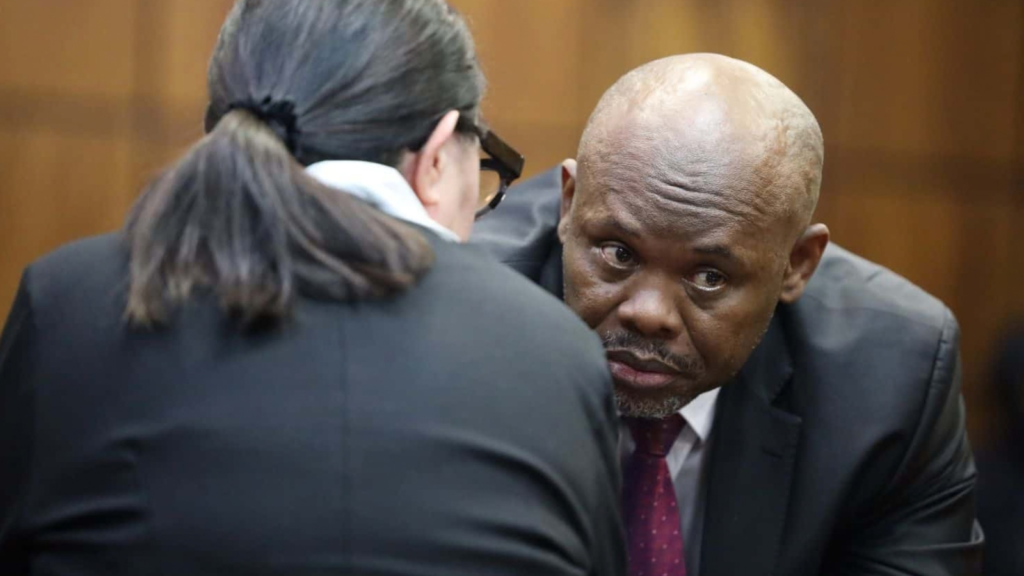
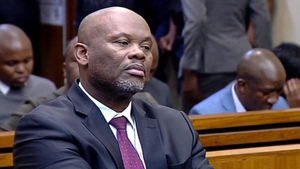
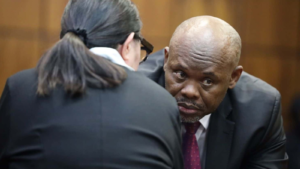
The justice system in South Africa is closely monitoring a Randburg courtroom. One of the country’s most senior police officials is asking a magistrate to let him go free while he faces some of the most serious charges in the law.
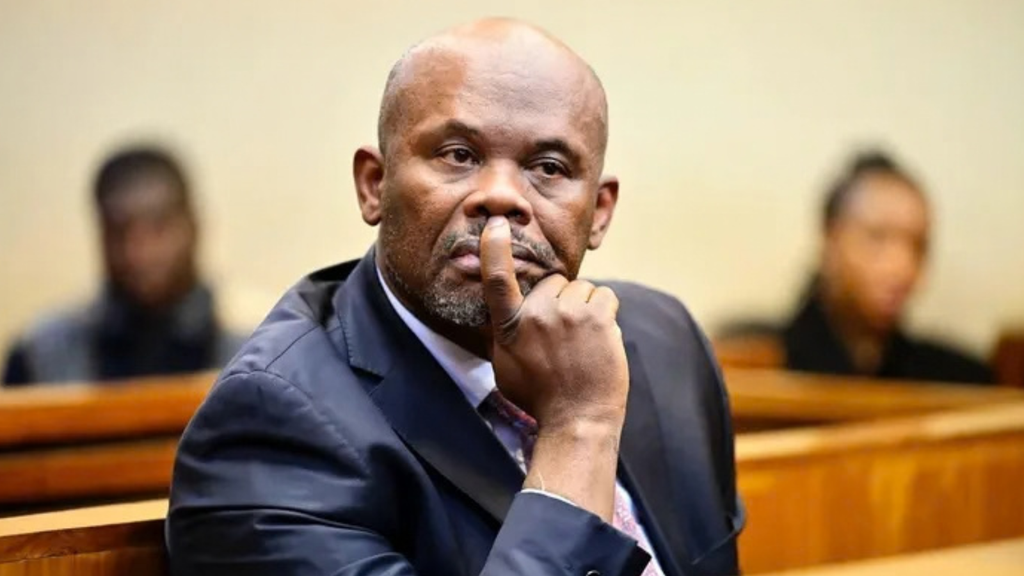
Suspended Deputy National Police Commissioner Lt-Gen Shadrack Sibiya was arrested on 21 September 2026. This week the court has heard evidence which has shocked many. It also raises a more general question: Is it possible for a prominent individual to be held accountable in the same way as any other individual?
Who Is Shadrack Sibiya and What Is He Accused Of?
A senior police leader
Sibiya, 59, is a lieutenant-general and the suspended Deputy National Police Commissioner for Crime Detection. That is one of the top jobs in the South African Police Service (SAPS).
The five charges
According to reports, he faces five charges:
- Rape of an 18-year-old woman
- Trafficking in persons
- Three charges linked to the alleged sexual grooming of a 16-year-old girl
The state has also added a firearm-related charge. His lawyer told the court it relates to how a gun found in his vehicle was stored.
Sibiya denies the criminal allegations. He is presumed innocent until a court finds otherwise.
What Is a Bail Hearing?
A bail hearing does not decide guilt or innocence. The magistrate only decides whether the accused can stay out of custody until the trial.
The court looks at whether the person might run away, interfere with witnesses or threaten public safety. It also considers how strong the state’s case appears to be.
Sibiya’s hearing falls under Schedule 6 of the law. This is the strictest category. It puts the burden on the accused to show why release is in the interests of justice.
Key Facts From the Court So Far
What the state alleges
The investigating officer, Detective Sergeant Nokukhanya Ndlovu, gave evidence opposing bail. She relied on witness accounts, WhatsApp messages and video clips.
The state’s main claims include:
- A hotel incident: A group of young women were allegedly taken to a Sandton hotel after a night out. The court heard that alcohol was supplied and that a drinking game took place.
- Fear of his rank: The court heard that some complainants were scared to report what happened because of Sibiya’s senior position in the police.
- Messages to a teenager: The court heard about late-night messages between Sibiya and a 16-year-old girl, including requests for sexually explicit material.
The state says its case is strong.
What Sibiya says
Sibiya gave his own version of events on 29 September. He told the court he did not rape the 18-year-old woman. He said they had sex and that it was consensual.
He also denied making sexual advances towards the 16-year-old. He rejected the trafficking allegation as well.
His defence says the charges are trumped up and part of a wider plot against him. These claims have not been tested at trial.
The Recorded Phone Call at the Centre of the Hearing
The most talked-about moment was a recording played in court. It is the main reason the hearing drew such wide attention.
What the recording is
It is a phone call between Bishop Azwihangwi Maumela, a friend of Sibiya, and the father of the 16-year-old girl. The call happened after Sibiya’s arrest.
How reports describe it
Outlets have described the call in slightly different ways.
- Some reports say Maumela urged the father to persuade the 18-year-old to withdraw her rape case.
- Other reports quote the call more narrowly. They say Maumela asked about the identity of the 18-year-old and suggested someone “sit down with the girl” and talk to her.
Either way, the state relies on the call to argue that Sibiya’s circle could interfere with witnesses.
The defence response
Sibiya’s son, Ofentse Magwenya, gave an affidavit. He said the family never asked Maumela to approach or intimidate any complainant or witness. He said Maumela acted on his own.
Maumela has also issued a public apology. He said he should have handled the matter with more sensitivity because a minor is involved.
The National Prosecuting Authority (NPA) said it cannot yet say whether Maumela will face charges. It said investigators still have to look into the matter.
Nothing in the reports shows that a court has found Sibiya directed the call.
Why Witness Interference Matters for Bail
Courts take witness safety very seriously. If a magistrate believes an accused person could pressure or frighten witnesses, bail can be refused.
The state also raised other concerns. It said the investigating officer told the court that people linked to the case received threatening calls. The defence disputes the state’s reading of events.
The magistrate will weigh all of this against Sibiya’s argument that he is entitled to his liberty.
Disciplinary Action Adds Another Layer
Sibiya also faces action inside SAPS. His lawyer told the court he has received several disciplinary notices.
Reports differ on the exact dates. One account mentions an expedited process due to start on 5 October. Another lists hearing dates in November. The arrangements may depend on whether he gets bail.
This matters because a disciplinary process is separate from the criminal case. Even if the criminal trial takes years, SAPS can still act on his employment.
Why This Case Matters Beyond the Courtroom
Power and accountability
Sibiya is among the most senior officers in the country. The court heard that some complainants feared coming forward because of his rank. That claim is an allegation. But it speaks to a real concern: people may hesitate to report someone with power over the police.
Protecting young people
The case involves a child and a young woman. The law protects the identities of minors, and responsible media do not name them. This article does not.
Public trust in policing
When a top police official is accused of serious crimes, people ask questions about oversight and culture in the service. The case will be a test of how institutions respond.
Key Takeaways
- Shadrack Sibiya, 59, is a suspended Deputy National Police Commissioner facing five main charges, including rape, trafficking and sexual grooming of a child.
- A further firearm-related charge has been added.
- He denies the allegations and says the 18-year-old encounter was consensual.
- The state says its case is strong and opposes bail.
- A recorded call involving his friend, Bishop Maumela, was played to support concerns about witness interference.
- Sibiya’s son says the family did not authorise any contact with witnesses.
- The hearing falls under Schedule 6, which puts a heavier burden on the accused.
- All evidence so far is allegation. No court has found him guilty.
What Happens Next
The bail hearing continued on Friday 2 October. After both sides finish, the magistrate will rule on whether Sibiya goes home or stays in custody. He is currently held at the Kgosi Mampuru II Correctional Centre.
If bail is granted, expect strict conditions, likely including no contact with witnesses. If it is refused, he remains in custody while the case moves toward trial. Either way, the criminal case and the SAPS disciplinary process will carry on separately.
Conclusion
Sibiya bail hearing is just the beginning of a long legal process. It has already shown the seriousness of the allegations, the acrimony of the dispute between the two parties and the extent to which the public is watching the situation.
The key facts are simple. The state says it has strong evidence and fears witness interference. Sibiya denies the charges and says he deserves his freedom. Courts decide on the issue of bail based on legal statutes and evidence, societal sentiment does not matter.
Until a trial is held, he is presumed innocent.